
Uncategorized
What is House Edge in Casino and How It Affects Your Play
When you sit down at a pokies screen or place a bet on a live dealer table, the math is already working against you. That built-in advantage is what is house edge in casino, and it dictates how much a venue expects to keep over time. It is not a fee you pay upfront, but a statistical reality baked into every game rule and payout. For Australian adults looking to play responsibly, grasping this concept matters more than chasing jackpots. You can find reliable explanations and local payment options at ozwincodes.net, which breaks down the numbers without the usual marketing gloss.
The Mathematics Behind the Advantage
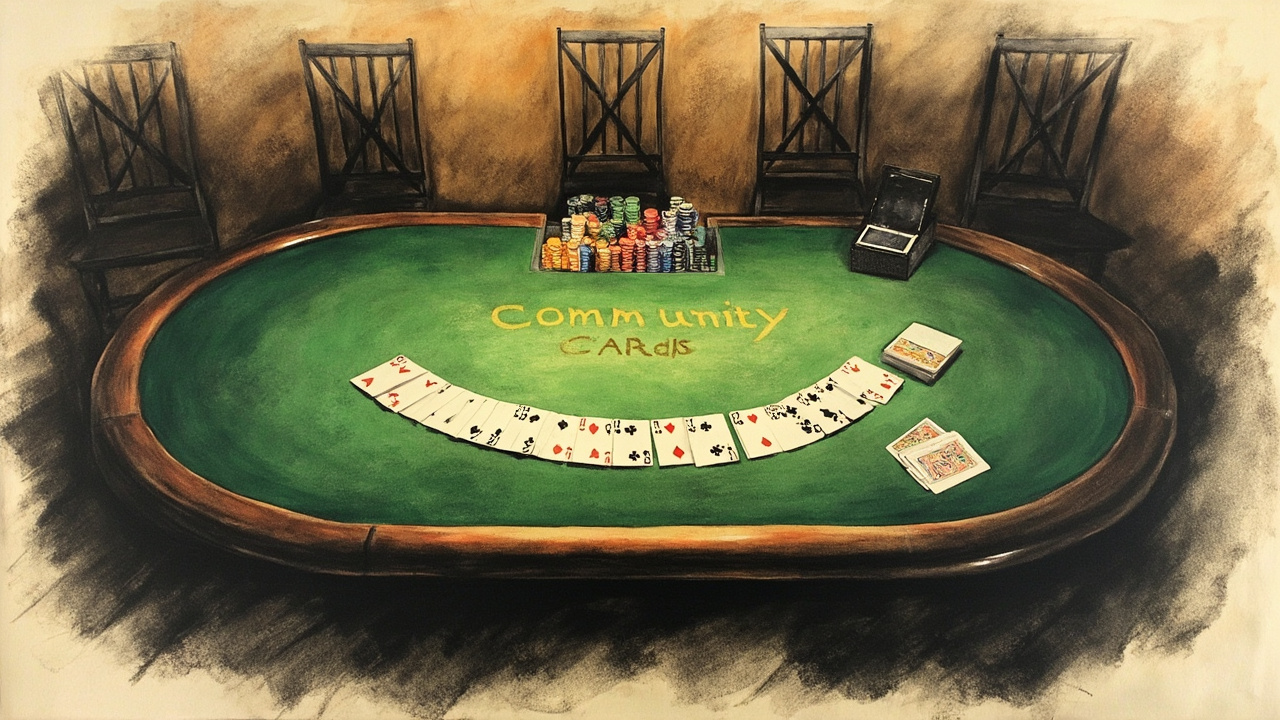
The house edge is not a scam; it is arithmetic. Every casino game has a set of rules that determine the probability of winning versus losing, and the payout is calibrated to sit just below the true odds. Over thousands of spins or hands, that small gap compounds into a predictable return for the operator. So gamblers themselves helped invent the mathematics that now guarantees the house edge, through centuries of probability theory and gaming analysis. In a practical sense, you encounter this when you notice that a blackjack payout of 3:2 offers better long-term value than a 6:5 table, even though both look similar on the felt. The difference might seem minor during a single session, but over a busy arvo of play, it shifts your expected loss noticeably. Understanding these mechanics helps you choose games where the edge is thinner, rather than assuming every spin is a fresh start.
| Game Type | Typical House Edge | Key Rule Variable |
|---|---|---|
| European Roulette | 2.70% | Single zero only |
| American Roulette | 5.26% | Double zero increases edge |
| Blackjack (basic) | 0.50%-2.00% | Payout ratio and dealer rules |
| Video Pokies | 2.00%-10.00%+ | RTP and bonus feature frequency |
How You Encounter It at the Table and Screen
When you register and fund an account, the house edge is already present in the game lobby, even before you place a wager. Operators often highlight bonus features or free spins, but those promotions rarely change the underlying mathematics of the base game. From an operator-side finance perspective, I have seen how accounting teams model these edges to forecast revenue, and the numbers are never loose estimates. They are built on return-to-player percentages that are audited and locked in before a single line is programmed. If you are playing on mobile during a lunch break, the same edge applies whether you bet one dollar or a hundred. The interface might feel fast and responsive, but the probability engine does not care about your pace. You can treat each session as a small slice of a larger statistical curve, and that mindset keeps expectations grounded.
Licensing, Support, and Account Controls
Trust and support matter because the house edge works over time, and responsible-play tools help you manage that timeline. A properly licensed operator will display its licence number, use encrypted connections for personal data, and offer deposit limits, session timers, and self-exclusion options right inside your account settings. These controls do not reduce the mathematical edge, but they give you practical leverage over how long and how often you play. When I have reviewed operator compliance frameworks, the strongest setups treat support as a real function, not just a chat widget that hands you a FAQ. You should be able to reach a human during local hours, verify your identity without jumping through endless loops, and adjust your limits without hidden delays. Privacy policies should be clear about what data is stored and why, especially when payment details are involved. If an operator hides its licensing details or makes responsible-play tools hard to find, that is a warning sign regardless of how polished the lobby looks.
Managing Your Play with Realistic Expectations
A practical way to handle the house edge is to treat it like a cost of entertainment, similar to buying a ticket for a show or a round of drinks. You are paying for the chance to win, not investing in a return. Set a budget before you start, decide on a loss limit that you can afford to walk away from, and stick to it even when the reels seem to be warming up. I have sat in on finance reviews where operators discuss player retention, and the data shows that players who set clear limits tend to stay in the game longer without chasing losses. That is not about luck; it is about behaviour. If you are playing in Western Sydney or anywhere else across the country, the same discipline applies. Pick games with a lower edge where possible, avoid side bets that inflate the advantage, and remember that a bonus offer usually comes with wagering requirements that extend your play rather than boost your odds. When you view the edge as a known variable, you can make calmer decisions and keep the experience enjoyable.
When you frame gambling this way, it becomes easier to set a strict loss limit and walk away without chasing losses. For those interested in exploring reputable online venues that prioritize transparency, you can review the available options at ozwincodes.net. Ultimately, treating every wager as a budgeted expense rather than a potential income stream keeps the experience enjoyable and financially responsible.
Understanding what is house edge in casino comes down to recognising that the odds are structured, not random in the way most players assume. You can still play for fun, choose games with better mathematics, and use account tools to keep your sessions in check. The edge will always be there, but knowing how it works lets you play with your eyes open rather than hoping the next spin changes the maths.